

Hello friends and welcome back!
Hope this letter finds you and your loved ones doing well..
Still in Spain and still loving it!

News flash: I just launched my online longevity and anti-aging course. (Yay!)
Anti-Aging Secrets Part 1: Understanding Cellular Aging
Normal price is $149 but I am making a special offer to our Substack subscribers at $24.99 for the next 2 weeks. You can check it out and enroll here..
Now then, we continue our series about longevity and anti-aging — since I believe it’s vital for people to take proactive steps to improve wellbeing and refuse to accept as “just getting older” what is, in fact, a lack of proper lifestyle choices.
What happens as we age? We all know that certain vital elements of our physiology begin to drop off — but which ones? When? And how quickly?
Let’s continue together as we unpack “Things That Decline With Age, Part 2”.
1. Collagen: the most abundant protein in your body
Collagen has seemingly been quite the rage on the internet recently, so let’s take a further look:
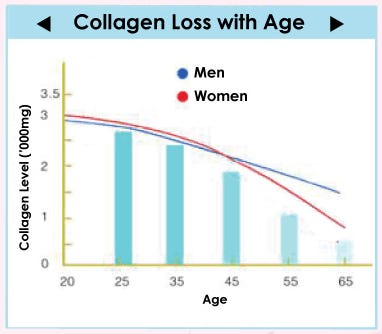
Collagen is the primary structural component of skin, bones and joint cartilage. It is like an elastic layer of "glue" that holds these tissues together. It also has a significant role in muscles, tendons, and ligaments. Production begins to decline gradually in the mid-to-late 20s, with fibroblasts—the cells responsible for collagen synthesis—becoming less efficient and fewer in number. After age 30, collagen production decreases by approximately 1% to 1.5% per year, and this decline accumulates over decades, becoming more noticeable in the 40s and 50s.
Hormonal changes, particularly the drop in estrogen during menopause, can accelerate collagen loss, with women losing up to 30% of skin collagen in the first five years after menopause
Why does that matter?
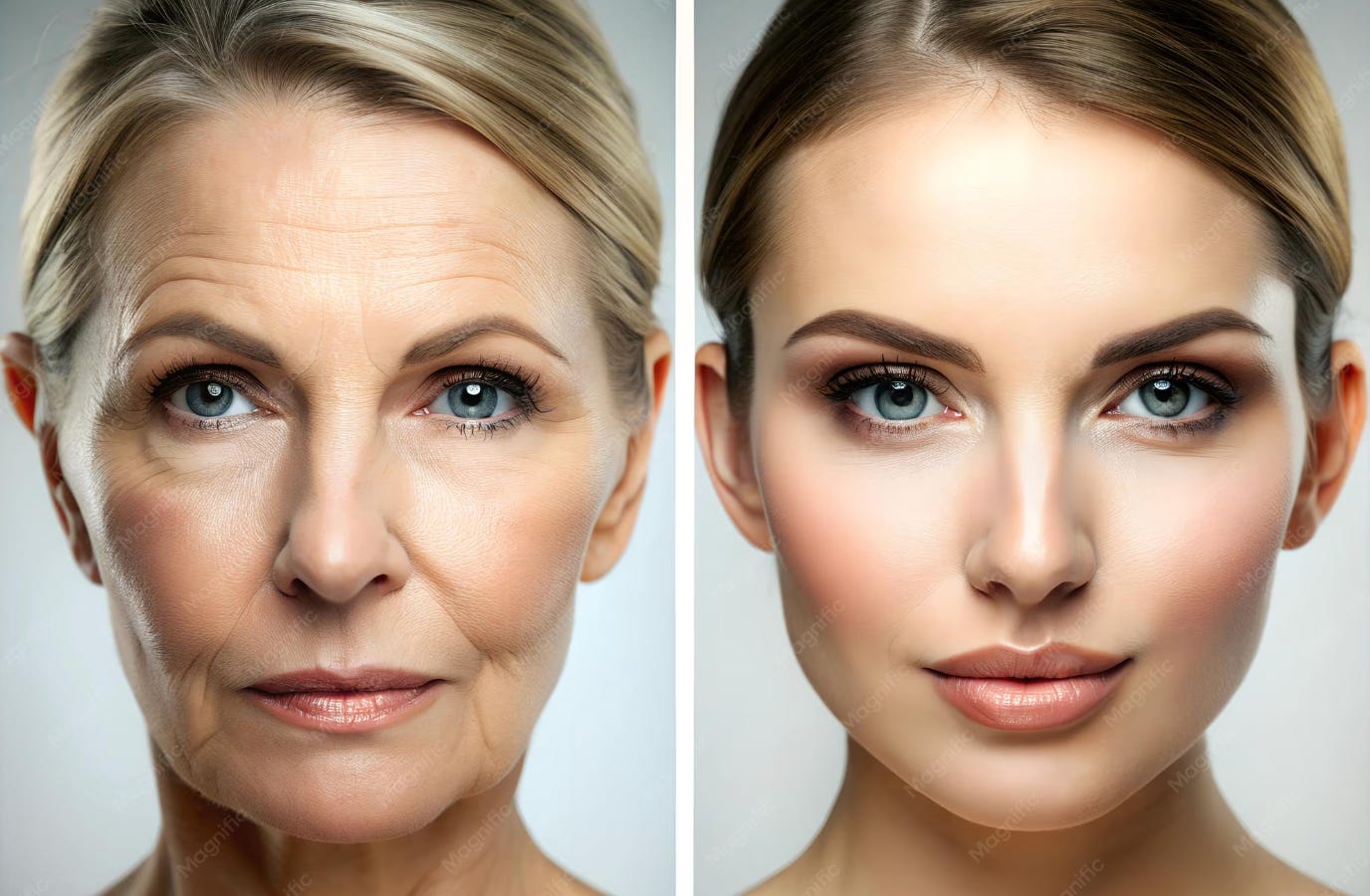
Skin: Reduced collagen leads to thinner, less elastic skin, causing wrinkles, sagging, and a less plump appearance. The dermal layer loses structural integrity, making the skin more fragile and prone to damage
Joints and Musculoskeletal System: Collagen is the key component of cartilage, tendons, and ligaments. Its decline contributes to joint discomfort, reduced mobility, and slower recovery from injuries. Muscles and bones also lose some structural support, affecting strength and stability
Wound healing: Collagen supports wound healing and tissue regeneration, especially in the blood vessels and GI tract. Reduced collagen can impair these processes, leading to slower healing, decreased tissue resilience, and increased susceptibility to injury
Can these problems be prevented?
Yes. Genetics does play a role, but beyond that lifestyle factors like smoking, excessive alcohol, high sugar intake, and insufficient protein intake (especially the amino acids glycine, proline, and hydroxyproline). Meanwhile, stress, and poor sleep increase oxidative stress and impair collagen repair
2. Slow wave sleep (aka deep sleep)
As you may know, there are stages of sleep — and the deepest and most restorative is called “slow wave sleep”
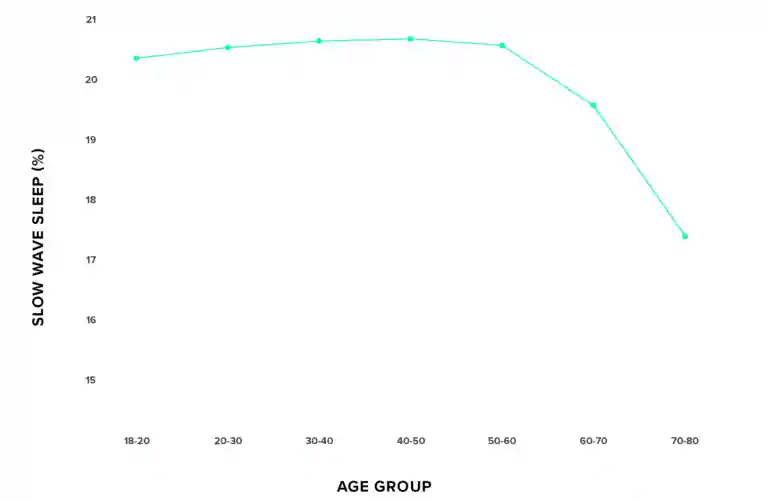
Now, there are 2 vital functions of slow wave sleep (SWS) that you need to be aware of:
Your brain: Your brain has a vital “cleansing and renewal” process (involving the glymphatic system) which occurs predominantly during SWS. Waste products are filtered and removed… unless they aren’t, due to fragmented sleep.
Fact: The quality of your sleep now predicts your risk of Alzheimer’s years later (read more)
Growth hormone (GH) release. Growth hormone synthesis is not evenly spread throughout the day — 70% of your daily total occurs during slow wave sleep. So poor sleep leads to significant……
3. Growth hormone/IGF-1 decline
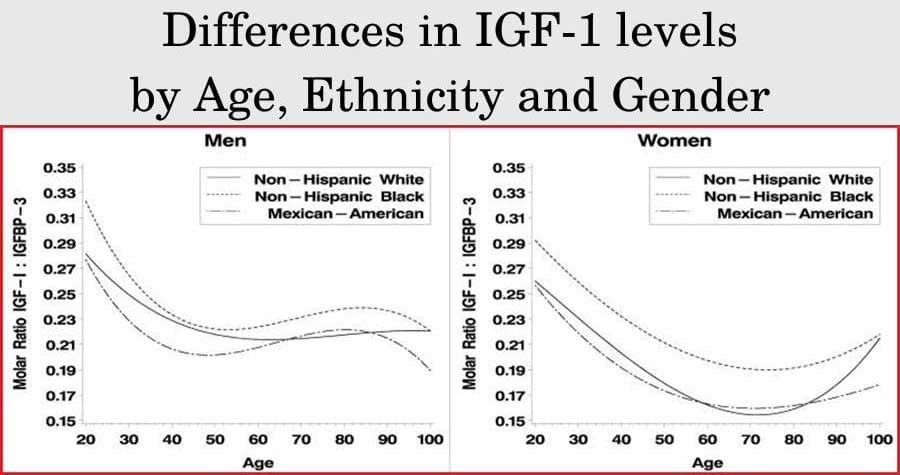
You may have heard of “the rich and famous” using growth hormone as an anti-aging and quality-of-life tool. You are not wrong: “growth” hormone has vital roles — even for adults who are done growing: It promotes brain health, stimulates the immune system, boosts muscle mass, sheds fat, boosts bone density and helps repair tendons and ligaments.
Oh, and by the way growth hormone promotes collagen production!
So the loss of GH (and it’s metabolite, IGF-1) means less muscle, more fat, less bone density, etc.
4. Brain Derived Neurotrophic Factor (BDNF)
Now this is truly some vital stuff — BDNF is a molecule that promotes nerve health and connections in the brain, especially in areas most vital to learning and memory. I think of it as "Miracle-Gro” for your brain.

Declining BDNF levels are one reason aging brains experience learning and memory impairments. All is not lost, however — BDNF is increased with exercise, quality sleep, reducing stress, Omega-3 fatty acids, and a plant-based diet rich in flavanoids.
5. Male sex hormones (DHEA, testosterone)
We have all heard about “menopause” for women, but what is the analogous scenario for men? There is no name for it — and for this reason, combined with the fact that it occurs more slowly and insidiously— it flies under the radar.
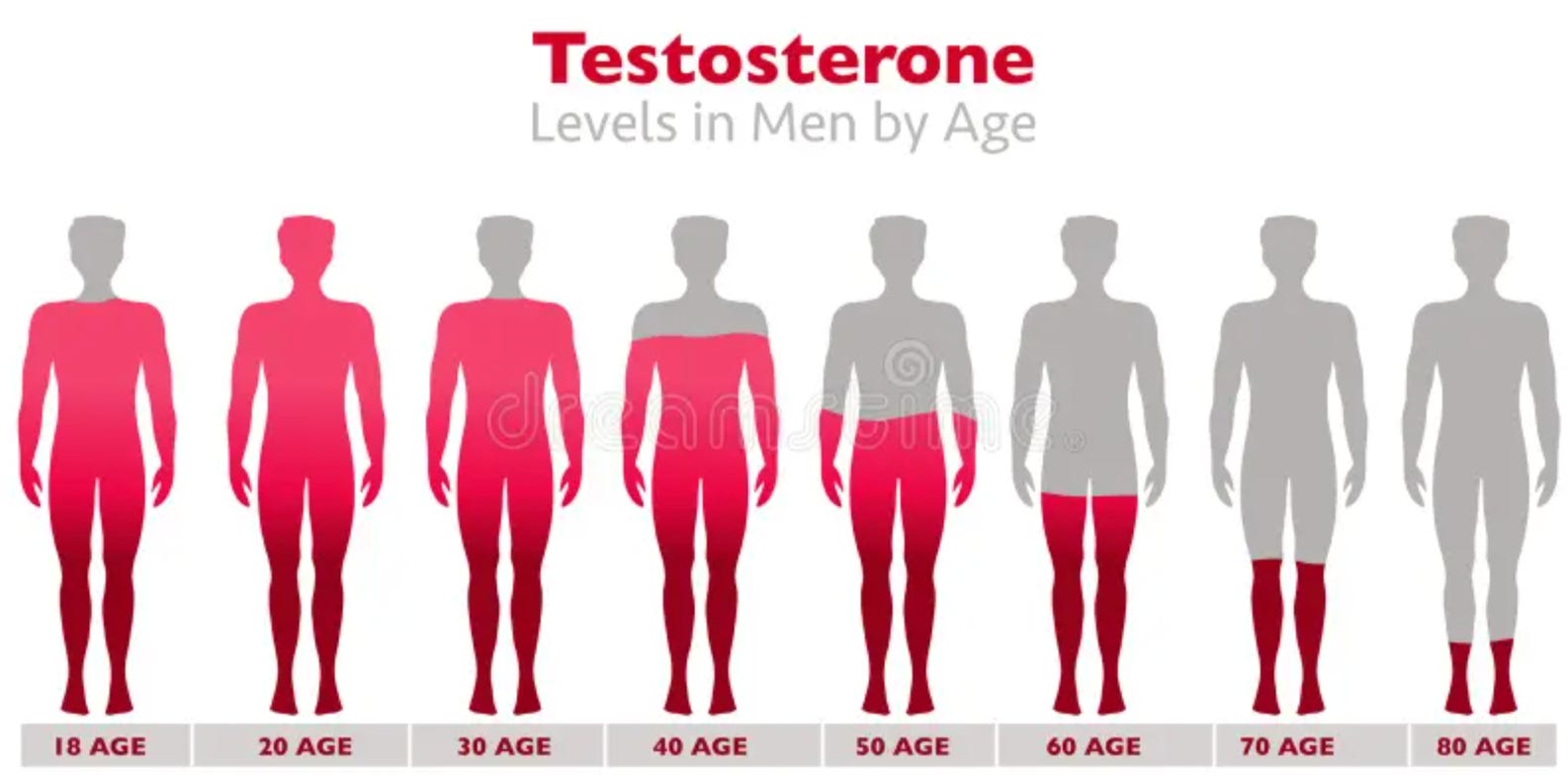
Fact is, testosterone begins to decline around age 30 by 1-2% a year.. At a certain point (usually mid 40s) a threshold is reached, and a man begins to notice symptoms such as fatigue, loss of strength, lack of libido, erectile dysfunction, and loss of mental “pep”, “vitality”, or “drive”.
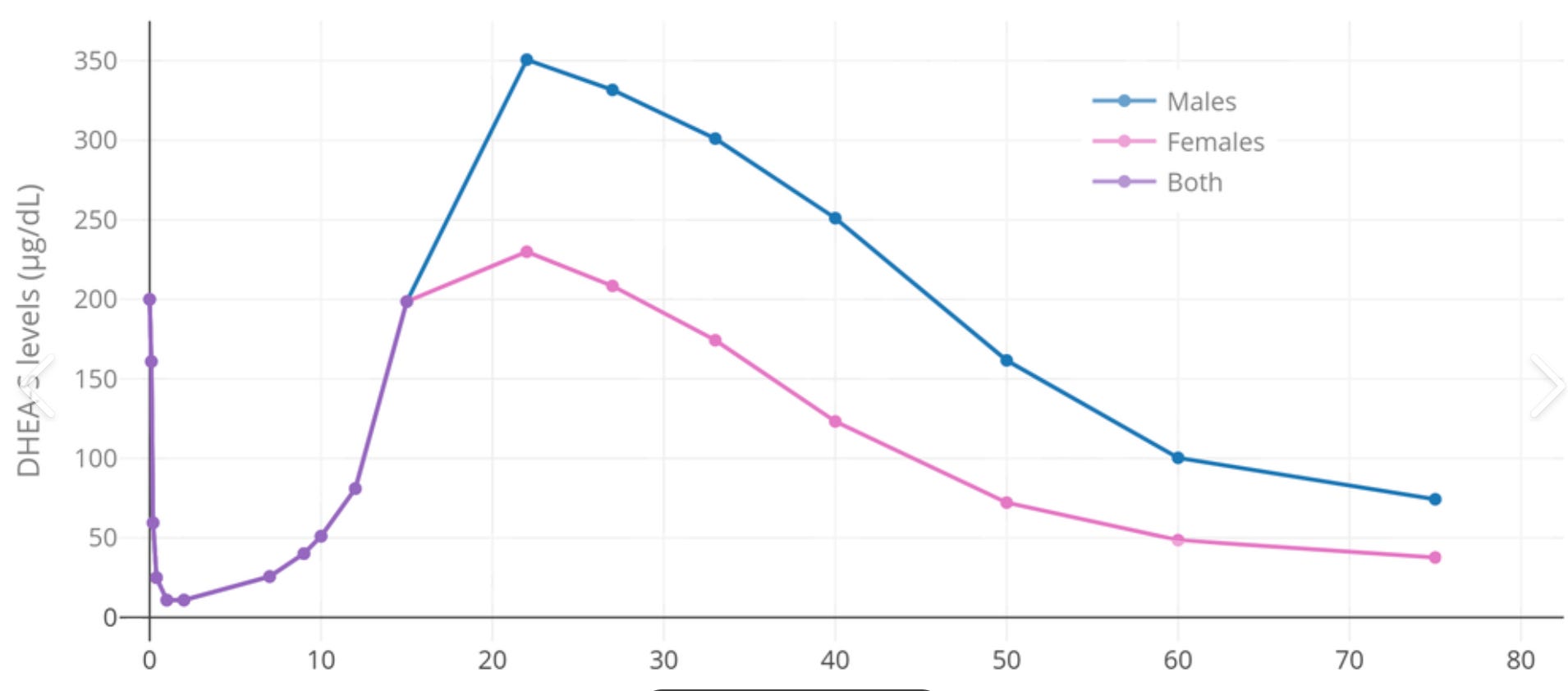
DHEA is a lesser-known but just-as-important hormone (produced by the adrenal glands) that has vital roles for brain health, mood, muscle mass, bone density, immune health, weight control and blood sugar.
5. Female sex hormones (Estrogen, Progesterone, DHEA, testosterone)
Perimenopause usually begins in the 40s and is driven by a rapid drop in progesterone, and erratic levels of estrogen, creating symptoms of irregular periods, mood changes, flushing, sleep disturbances and vaginal dryness.
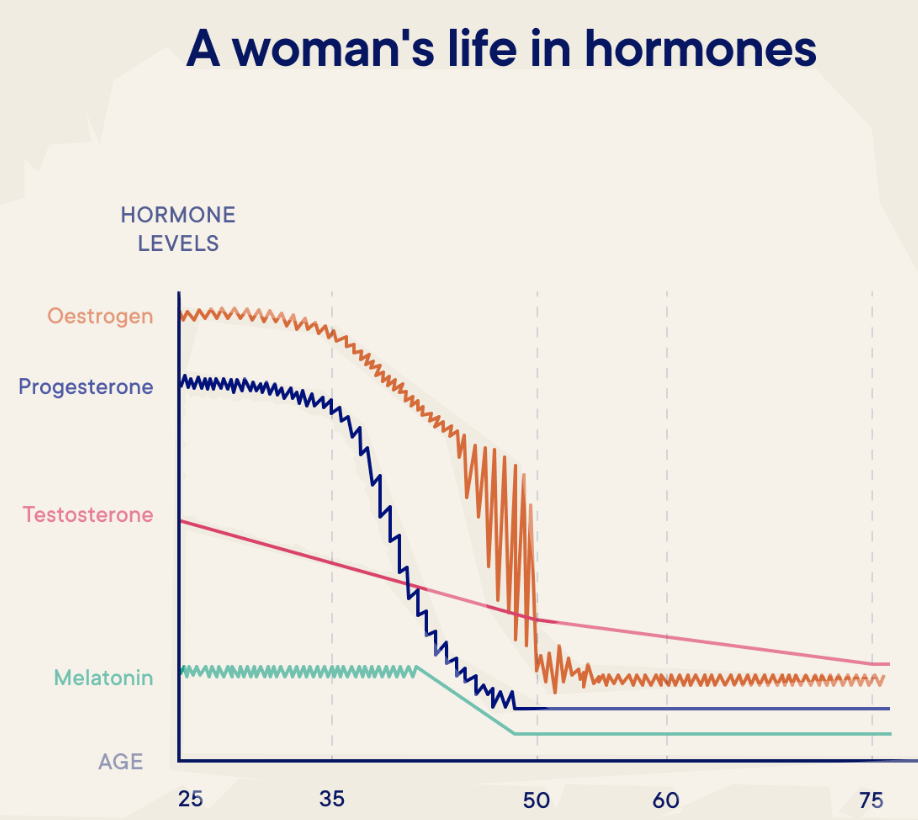
Menopause is just the accentuation of this process, creating more medically serious concerns like osteoporosis, heart attacks, diabetes, high blood pressure, urinary tract infections, mood changes and cognitive decline.
Note: Testosterone is important for women as well — in fact, it is the most important of the hormones as regards bone density, energy, and libido
Pro tip: I highly recommend getting your levels checked and strongly considering bio-identical hormone replacement. The first benefits my female patients notice are improved sleep, mood and energy.
5. Digestive enzymes and stomach acid output
What happens when you eat something challenging to digest — like a large salad or a steak?
Digestion begins with your stomach acid and then continues in the small intestine via enzymes secreted by the pancreas. The goal is the same: to chemically break down food into absorbable pieces.
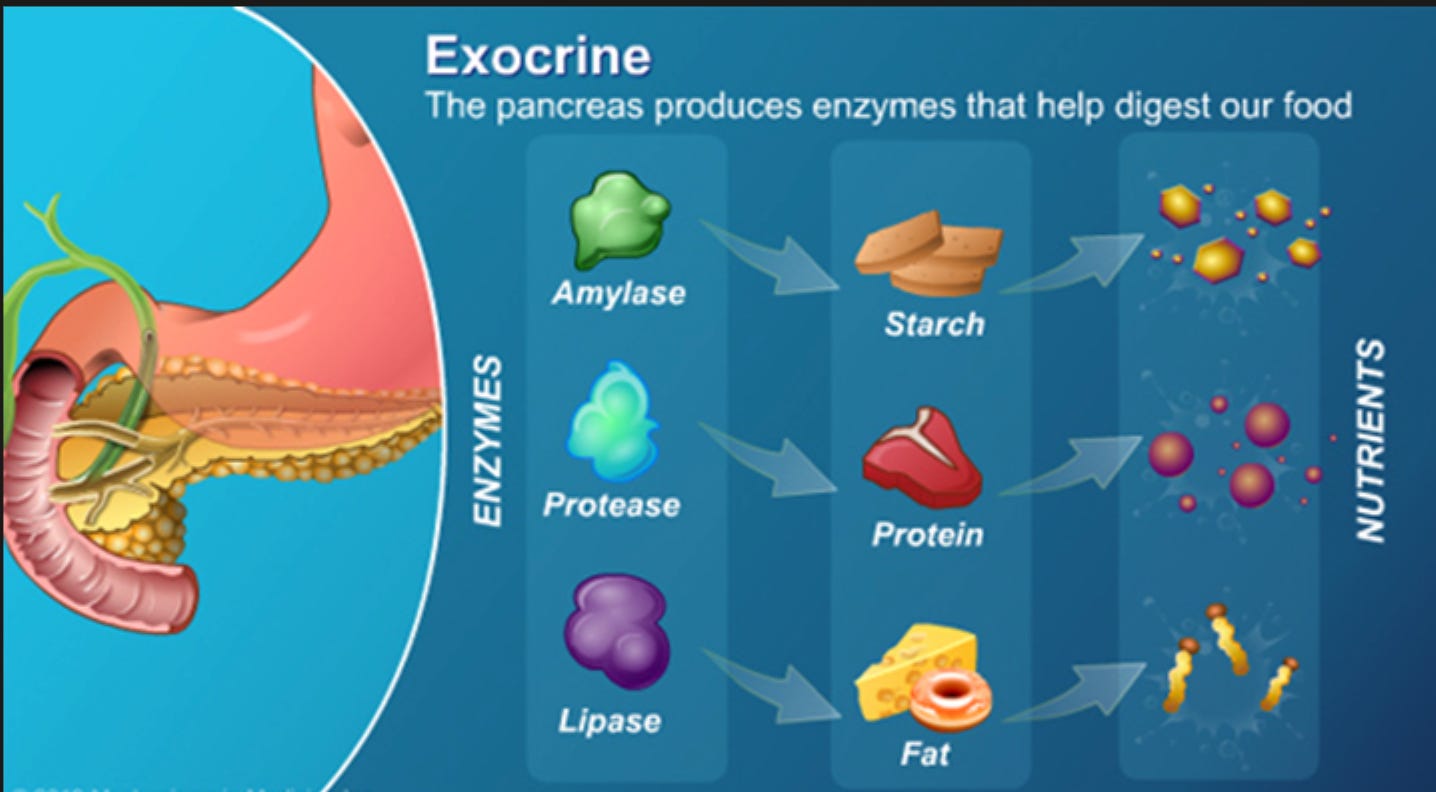
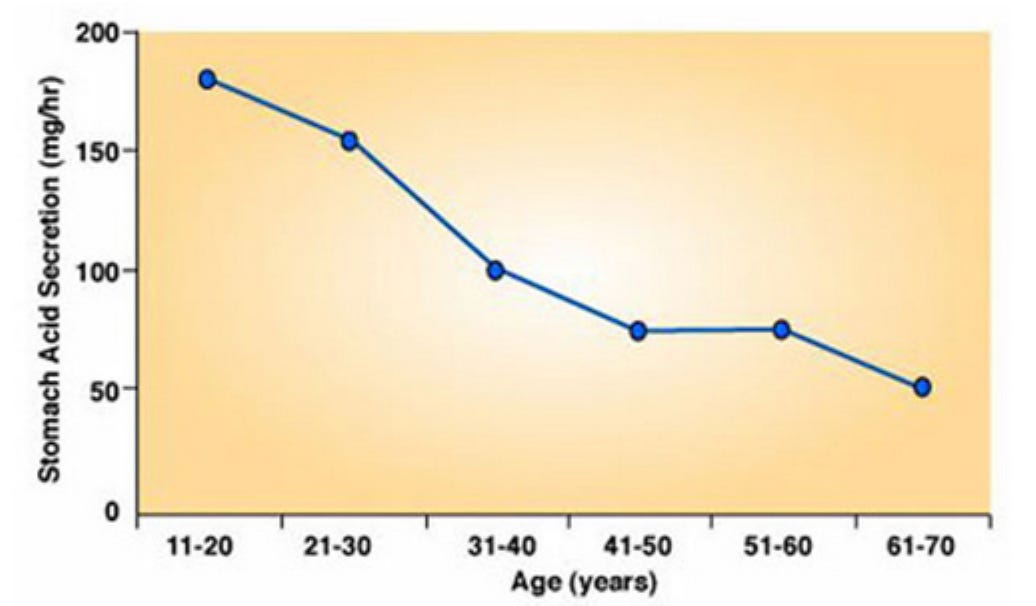
Regrettably, as we age, both stomach acid and pancreatic enzyme function drops. The typical result? “Indigestion”, bloating, gas, or irritable bowel symptoms from an increasing variety of foods.
Here is a graph of stomach acid output with age:
Pro tip: If you suspect this is a problem, you can supplement with stomach acid and/or pancreatic enzymes.. I cannot tell you how many cases of “bloating” and “irritable bowel” I have cured by having people take 1-2 capsules of pancreatic enzymes at the beginning of each meal!
6. GI tract microbiome diversity
We’ll all heard about how important your “GI microbiome” is — i.e. the health benefits and vital role of “good bacteria” in your GI tract. This is absolutely true: a healthy GI microbiome supports digestion, weight loss, vitamin production (Bs and K), immune function, colon cancer risk — and even mood (serotonin production).
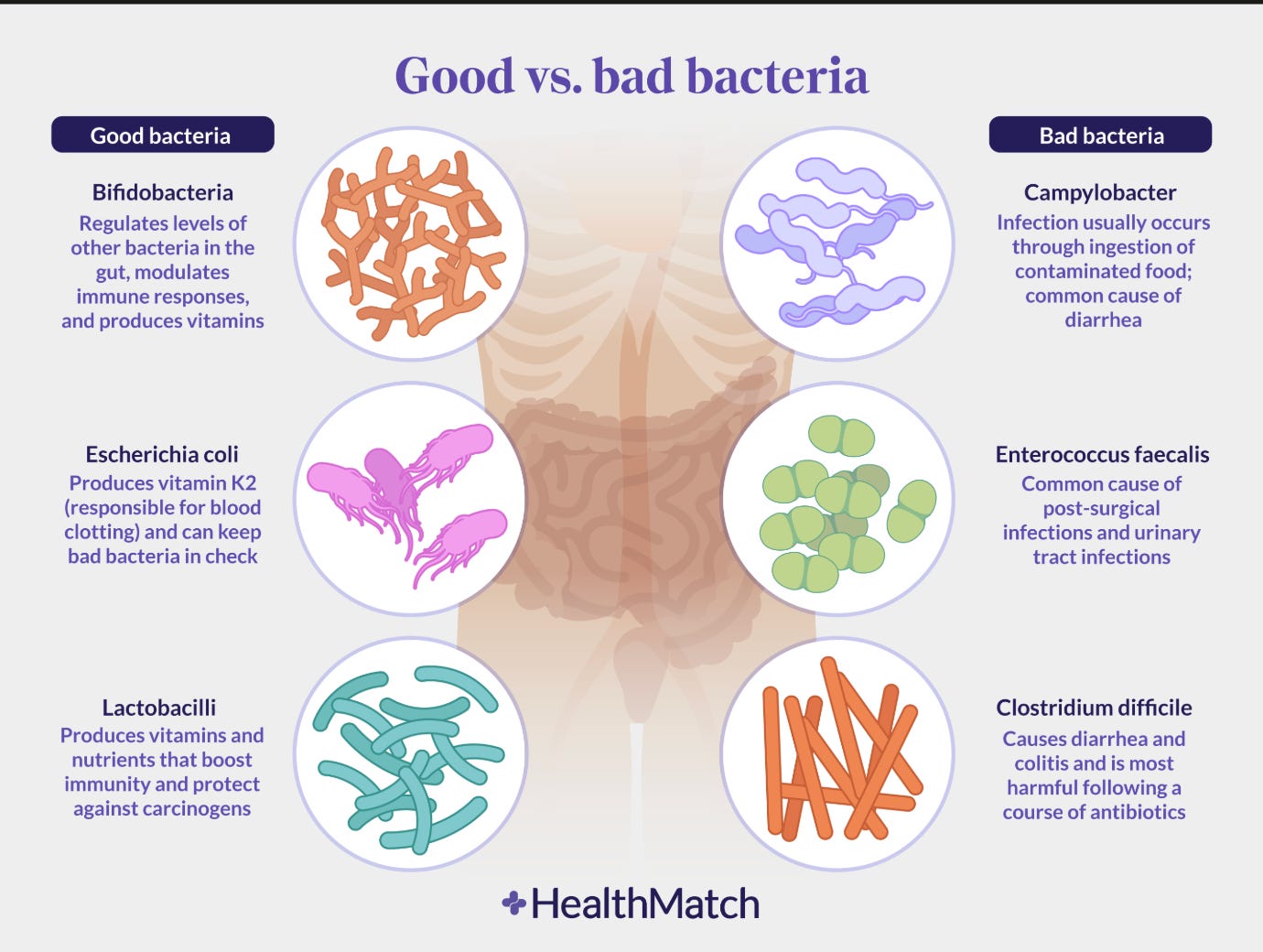
Yes, this ratio of good-to-bad tends to decline with age but can you improve this?
Absolutely!
Raw foods
Fermented foods (kombucha, kefir, yogurt, sauerkraut, kimchi)
Fiber
Pre and pro-biotic supplements
And there we have it, friends.
Hasta luego,

I just launched my online longevity and anti-aging course. (Yay!)
Anti-Aging Secrets Part 1: Understanding Cellular Aging
Normal price is $149 but I am making a special offer to our Substack subscribers at $24.99 for the next 2 weeks. You can check it out and enroll here..
About Dr. Turner:
Michael K. Turner, M.D., is a graduate of Stanford University, Harvard Medical School, and The Mayo Clinic. He practices Integrative Medicine in his own national concierge practice, providing personalized approaches (including hormones, sleep, recovery, nutrition, supplements, and exercise) to help people achieve their optimal state of health. Called “genuine”, “caring”, and “the best doctor in the world” by patients, he brings a high degree of empathy, trademark optimism, and a holistic approach to patient care. He brings a passion for excellence to everything he does. He believes in living and modeling a healthy, balanced lifestyle.
Your line that male hormonal decline "flies under the radar" because "there is no name for it" is the bit I keep coming back to.
That is exactly it. Menopause has a name, a timeline, a whole cultural script, so women at least get pointed toward a workup. Men get a slow 1-2% a year with no label, so the fatigue and the lost drive get filed under just getting older until it is years deep.
Once the decline has a name, men actually go looking. Without one it just reads as aging.
Just signed up and look forward to learning, this has been on my radar for some time- thanks Doc!