
Longevity Essentials: Things That Decline With Age, Part 1
An overview of key biomarkers of aging

Hello Friends,
I am coming to you this week all the way from Madrid Spain! Buen dia!

Enjoying the blessing of working remotely — while definitely getting in my fair share of tapas, hikes, concerts, soccer, stunning architecture, and even a wedding… Eso!

Did I pack my multiplicity of supplements in my carry-on? :)
Did I sign up for a very bougie gym just down the street where I have enjoyed fantastic morning workouts? :)
Life is good..
I wanted to take some time this week to begin a series about longevity and anti-aging. There has been a tremendous swell of enthusiasm and interest in these concepts over the last few years, and — though in some cases overemphasized and over-marketed — I am, on balance, a fan. I believe it’s a great thing for people to take proactive steps to improve their wellbeing and refuse to accept as “just getting older” what is, in fact, a lack of proper lifestyle choices.
Now, what happens as we age? We all know that certain vital elements of our physiology begin to drop off — but which ones? When? And how quickly?
Let’s explore that together as we unpack “Things That Decline With Age, Part 1”.
1. Melatonin
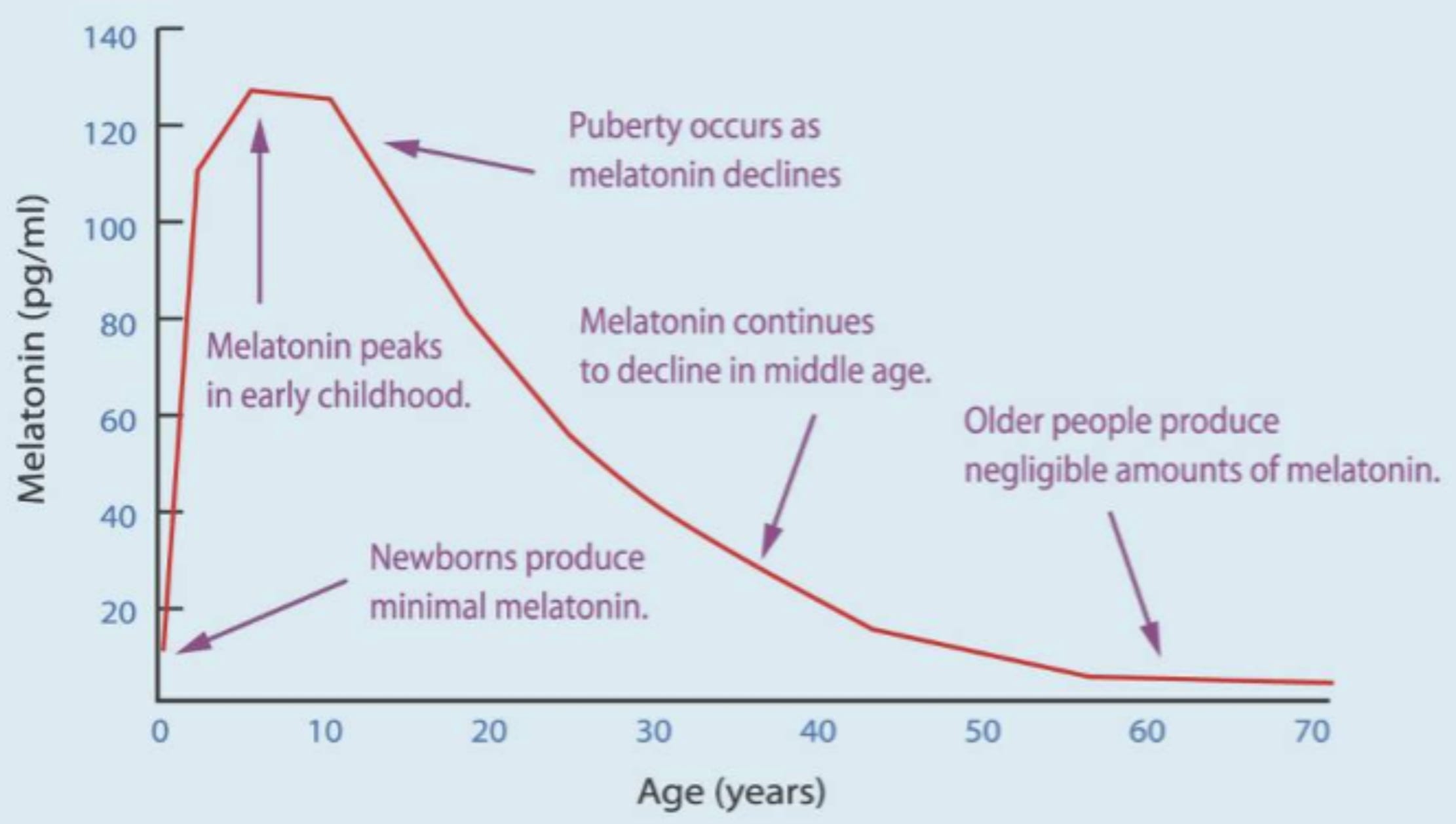
Melatonin is the main reason children sleep more soundly than adults.. Now — as if good sleep weren’t important enough — melatonin has other crucial roles as an antioxidant, a promoter of mitochondrial health and function, a booster of immune function and has profound anti-cancer properties.
Read all about it here
2. NAD+
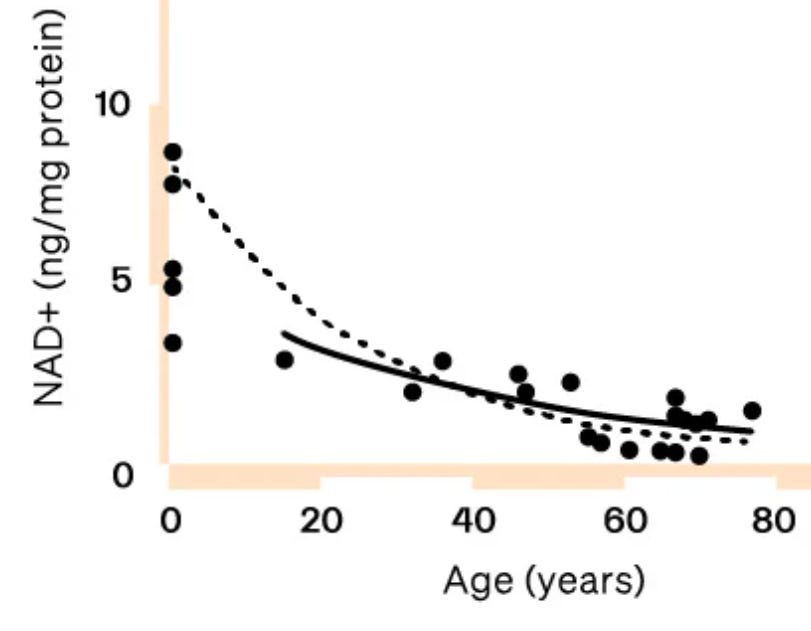
You’ve probably heard about NAD+ by now, and for good reason. The one-liner is this: It’s an enzyme present in all cells that has a role in energy production, DNA repair and cellular renewal.
Dr. David Sinclair has published extensively on this and has shown dramatic reversal of aging in mice on the basis of repleting their NAD levels.
Problem is, we have this going on as we age:
Read more about NAD here
Pro tip: NAD injections are overhyped and overpriced. You can reliably increase cellular NAD levels by oral supplementation with Niacin (my favorite, because it also helps with cholesterol and is inexpensive), Nicotinamide Riboside (NR), or Nicotinamide Mononucleotide (NMN).
3. Creatine stores
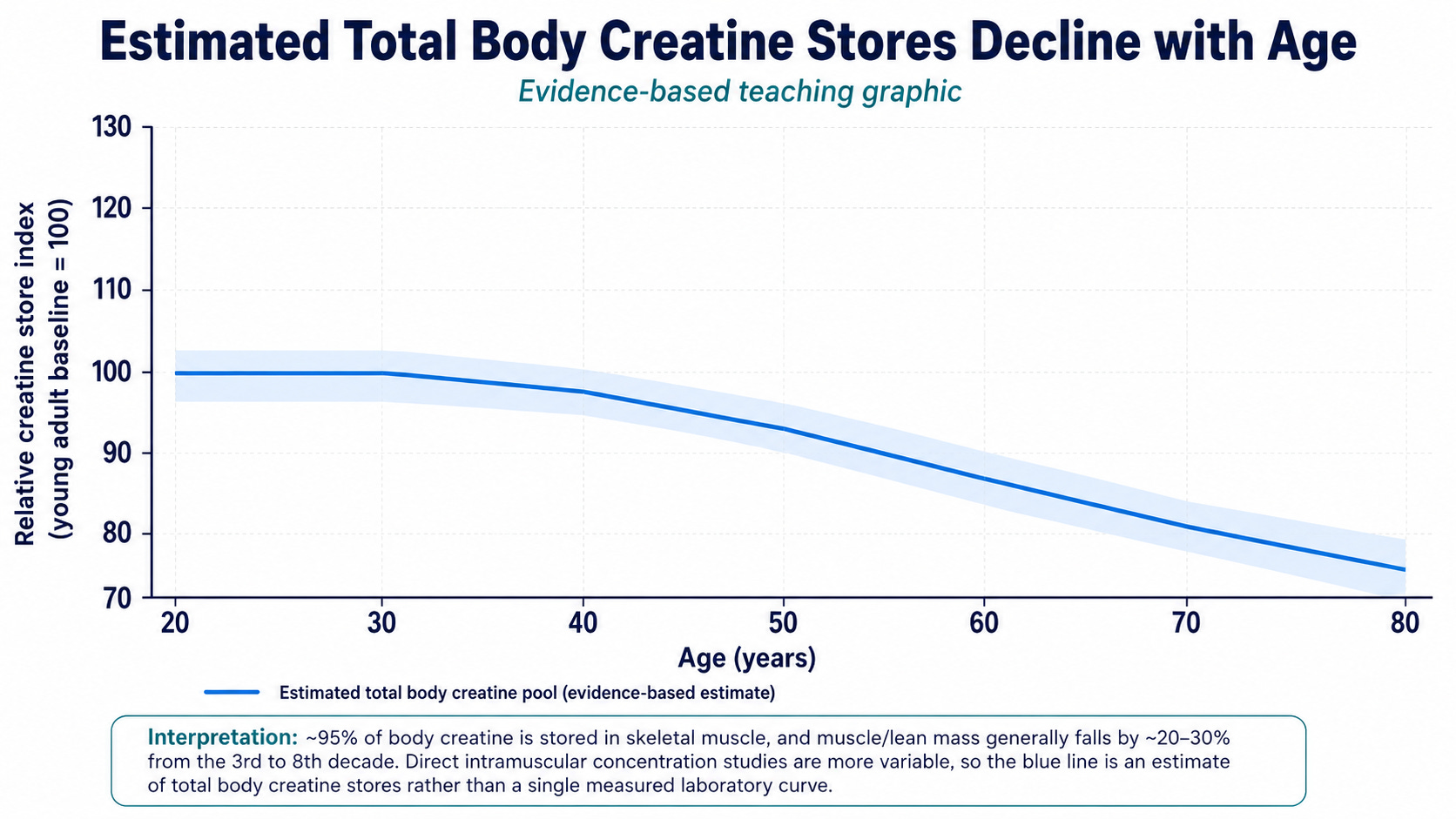
Who cares about creatine? Well it boosts energy production, boosts muscle mass and strength, and promotes brain health. Also happens to be extremely safe, readily available, and inexpensive.
Read all about it
4. VO2 max ( = maximal oxygen uptake and utilization in 1 minute)
The amount of oxygen your body can utilize is a synthesis that reflects your heart, lung and mitochondrial function. This number, in turn, powerfully predicts health and lifespan. The idea is simple: more oxygen utilization = more energy within every organ = more resilient physiology.
What’s amazing is that VO2 max correlates with all-cause mortality!
In plain English: the higher your VO2 max, the lower your risk of dying from any cause compared with your peers.
Here’s how it changes over time:
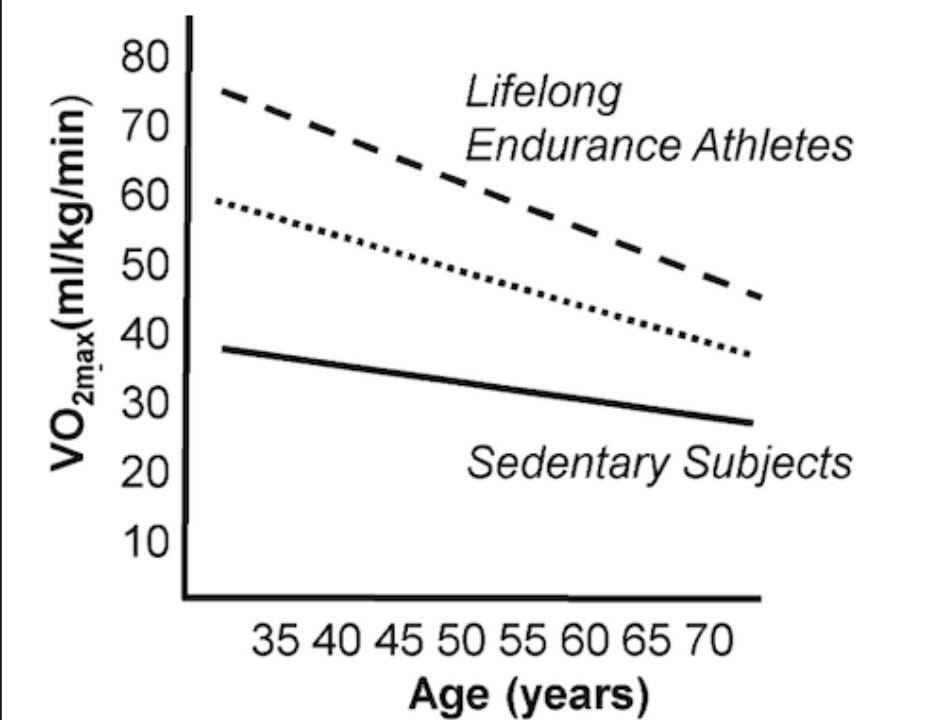
Note from our graph above: an endurance athlete at 70 can have a better VO2 max than a sedentary person at age 35!
Pro-tip: Zone 2 cardio or High Intensity Interval Training (H.I.I.T.) both are proven to boost VO2 max, but interval training does it faster (i.e. less total exercise time).
5. Nitric Oxide
What do “endothelial function”, Viagra, getting a “pump” during a workout, and an old guy having chest pains and popping a nitroglycerin pill all have in common?
Well, they all relate to nitric oxide — the cardiovascular signaling molecule that won the Nobel Prize in Medicine in 1998.
Nitric oxide sends signals to relax blood vessels, and more blood flow = better organ function. Simple as that.
Regrettably….
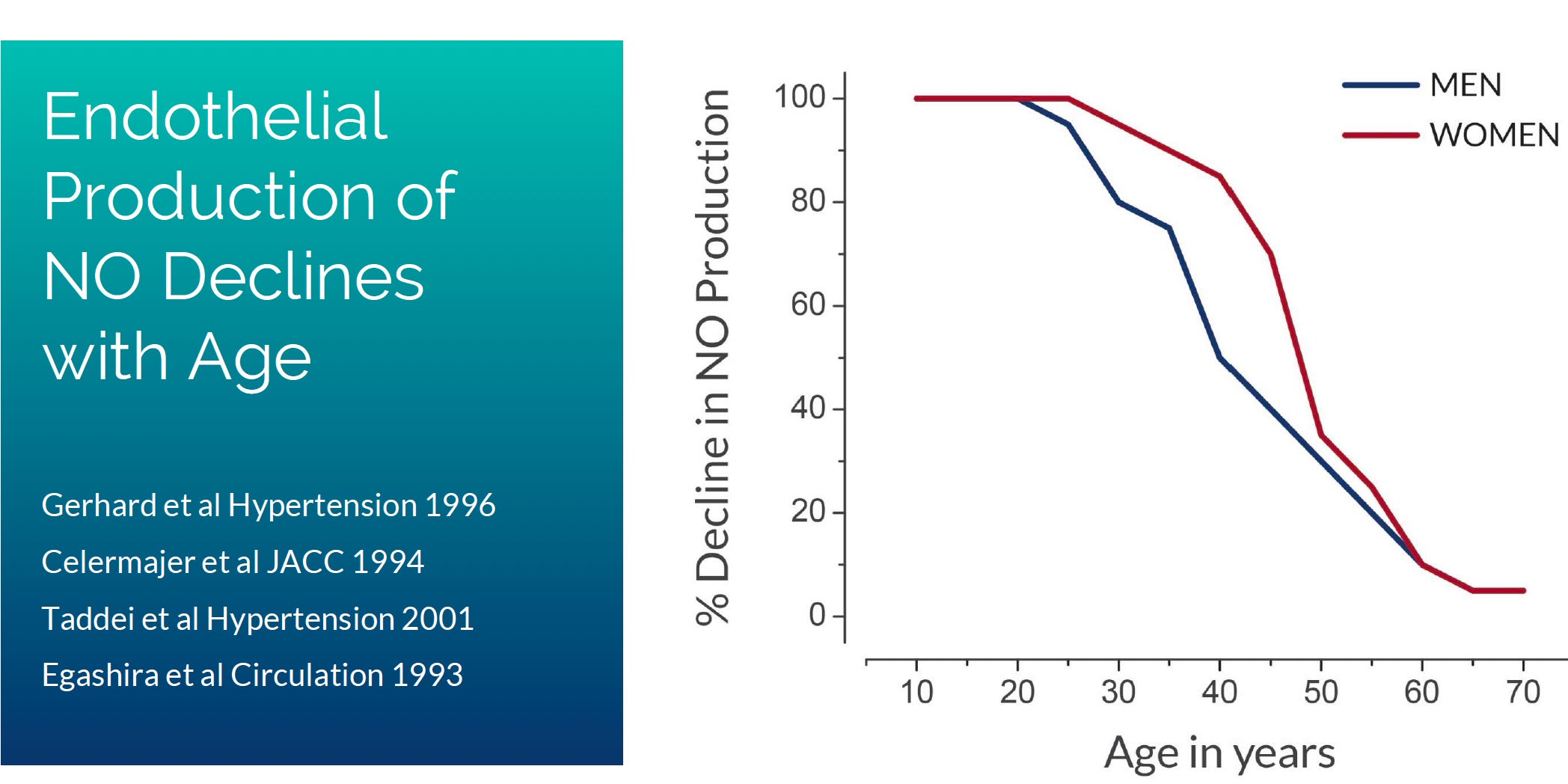
Pro tip: Arginine/Citrulline powder (1 scoop a day) and/or beet root juice or powder both powerfully boost endothelial nitric oxide levels!
6. Natural Killer (NK) cell function
Whose heard of “natural killer” cells? Definitely sounds spooky and sinister.. Turns out they are a vital part of your immune system because — as the name connotes — they seek and destroy things that don’t belong in your body (e.g. cancerous cells).
Interestingly, numbers of NK cells tend to slowly increase with age, but their function drops:
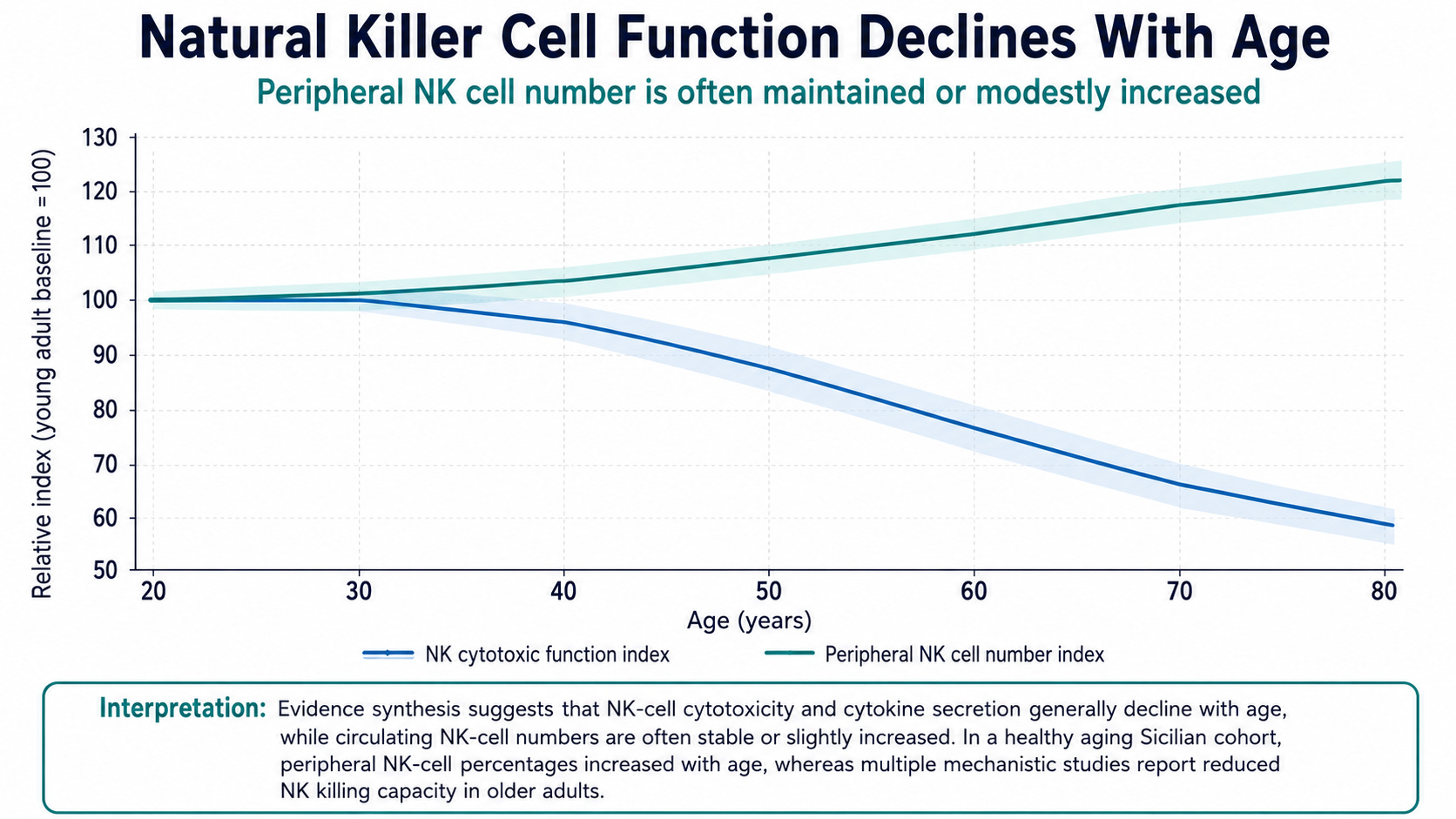
Pro tip: Melatonin, aged garlic, mushrooms/beta glucans, blueberries, and Vitamin D all boost NK cell number or function.
7. Telomere length
Telomeres are protective caps on the ends of your chromosomes. Their job is to maintain integrity of the DNA strands so they do not fray or break at the ends.
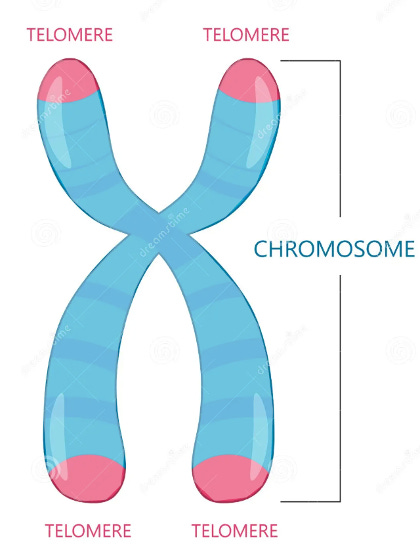
Unfortunately, as cells divide, the telomores inevitably shorten… However, this process can be worsened or reversed based on lifestyle factors.
Factors that accelerate telomere loss:
Chronic inflammation (e.g. diet heavy in sugar or saturated fat)
Oxidative stress (e.g. poor sleep, alcohol consumption, drug use, pollution)
Factors that promote telomere length:
Vitamin D
Gotu Kola
High Intensity Interval Training
Hyperbaric Oxygen Therapy (HBOT)
Conclusion
And there we have it, friends. Join us next time for part 2!
Hasta luego,

About Dr. Turner:
Michael K. Turner, M.D., is a graduate of Stanford University, Harvard Medical School, and The Mayo Clinic. He practices Integrative Medicine in his own national concierge practice, providing personalized approaches (including hormones, sleep, recovery, nutrition, supplements, and exercise) to help people achieve their optimal state of health. Called “genuine”, “caring”, and “the best doctor in the world” by patients, he brings a high degree of empathy, trademark optimism, and a holistic approach to patient care. He brings a passion for excellence to everything he does. He believes in living and modeling a healthy, balanced lifestyle.
What would it feel like to be as healthy as you could possibly be?
I would love to connect with you at www.MichaelTurnerMD.com
Maybe the part 2 next week will mention intermittent fasting especially for cell repair regeneration and cell death cleanup (autophagy). I fast M-F with warn lemon water and black coffee until noon. I’ve had high cortisol levels after death of my spouse, so maybe a protein shake if my HRV are stagnant. It’s definitely one of the many great tools for longevity and anti-aging.
https://newsroom.heart.org/news/long-term-use-of-melatonin-supplements-to-support-sleep-may-have-negative-health-effects
These results are relative in their 90% increased risk . The absolute risk results show that 95.4% of the people taking melatonin did not get CHF and 97.3% of the patients not taking melatonin did not get CHF. Wouldn't that be a 1.9% increased risk and not 90%.